

Li'l Teeth Dentistry
Pros and Cons of Fluoride: What Aurora, CO Parents Should Know
Fluoride protects your child’s dental health by strengthening enamel, helping prevent cavities, and repairing early tooth decay. Most children get fluoride from sources such as fluoridated community water and toothpaste. However, too much can cause white spots on the teeth (dental fluorosis).To safely use fluoride:
- Use a rice-sized dab of fluoride toothpaste for toddlers and a pea-sized amount for children over three.
- Supervise brushing and do not allow kids to swallow toothpaste.
- Check your community water system’s fluoride level.
- Follow your pediatrician’s recommendations for fluoride supplementation.
Fluoride is safe and effective when used in moderation, protecting your child’s teeth for a lifetime of healthy smiles.
Pros and Cons of Fluoride for Your Child’s Smile
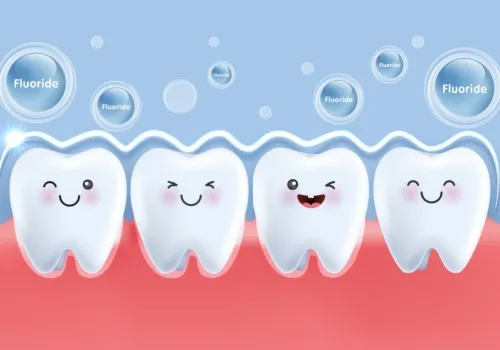 Trying to decipher the pros and cons of fluoride can be confusing; there is a lot of conflicting information available. Yes, fluoride protects kids’ teeth from cavities. It can also leave marks on developing teeth if used excessively. Making the right choice for your child is easier when you have a good understanding of the benefits and potential risks of fluoride.
What Is Fluoride and Why Does It Matter for Kids’ Teeth
Fluoride is a natural mineral that strengthens tooth enamel, the hard outer layer of the teeth. Kids’ teeth are especially prone to cavities because they’re still developing and often exposed to sugary snacks and drinks. Fluoride helps keep enamel strong so it can stand up to daily wear and tear, acidic attacks, and bacteria.
Let Us Help You Introduce Your Child To Oral Hygiene
Our mission is to create a passion for good oral hygiene and for visits to the dentist within kids of all ages. Contact us today with any questions or to schedule your visit!
The Benefits of Fluoride
Used in the right amounts, fluoride is a powerful weapon in protecting your child’s dental health. It can:
- Fight cavities by repairing tiny weak spots in enamel.
- Protect developing teeth before they erupt.
- Work around the clock if your drinking water contains fluoride, which is common in Aurora.
The Risks of Too Much Fluoride
The main risk of too much fluoride for kids is dental fluorosis, which shows up as faint white streaks or spots on their teeth. It doesn’t hurt, but in more noticeable cases, it can affect how teeth look. This usually happens when young kids swallow too much toothpaste or take fluoride supplements that they don’t actually need. It is not typically the result of the topical application of fluoride.
How to Use Fluoride Safely for Your Child
Here are a few simple tips parents can use to protect their children’s teeth with fluoride safely:
- For toddlers under three, stick to a rice-sized amount of fluoride toothpaste.
- For ages three to six, a pea-sized amount is perfect.
- Encourage spitting, not swallowing, after brushing. Supervise your child until you are sure they are doing this consistently.
- Talk to your dentist before starting any fluoride supplements. Today’s water supplies often have sufficient fluoride when combined with a fluoride toothpaste.
Keep Your Child’s Smile Healthy in Aurora, CO
For convenience and effectiveness, fluoride is one of the easiest ways to protect your child’s teeth. Along with good habits like brushing and flossing, dental checkups, and a healthy diet, fluoride can contribute to a lifetime of oral health. If you have questions about fluoride use and how much your child needs, we are here to help. Give us a call at Green Valley Ranch Office Phone Number 303-307-9999 to schedule an appointment to discuss your child’s dental health and appropriate fluoride use
Why Parents Should Worry About Knocked-Out Baby Teeth
 Although baby teeth are designed to fall out at some point in your child’s development, a knocked-out tooth is different. When a tooth is knocked out due to an injury or accident, it can cause dental trauma or may come out too early, impacting the permanent teeth under the gums.
Even if it isn’t an emergency, a dental checkup is warranted to make sure there are no problems. Li'l Teeth Dentistry specializes in gentle care for dental injuries like knocked-out baby teeth.
Gentle Care When You Need It Most
No matter the emergency—knocked-out tooth, pain, or injury—our pediatric team is here to help. Contact Li'l Teeth Dentistry at Green Valley Ranch Office Phone Number 303-307-9999 for compassionate, expert care.
First Steps if Your Child Knocks Out a Baby Tooth
Don’t panic if your child knocks out a baby tooth. These teeth don’t have long roots, so they don’t usually cause much damage. You also don’t have to worry about finding the tooth, since we won’t try to put it back in place. Instead, focus on comforting your child and remaining calm. Have your child rinse their mouth, then use gauze or a washcloth as a cold, wet compress to minimize swelling and stop any bleeding.
Next, call our office for an appointment so we can check for any soft tissue damage. In most cases, particularly for older children, we may do nothing about the missing tooth other than monitor the space. However, if your child is young, we may place a spacer or a false tooth to keep adjacent teeth from shifting into the empty space.
Why You Should See a Pediatric Dentist Quickly
Although we may not need to do anything major if a baby tooth is knocked out, you should always see a pediatric dentist at Li'l Teeth Dentistry as soon as possible. If you delay having your child’s mouth checked, an infection could set in, leading to serious complications. We will look for signs of trauma, disease, and damage to the gums, jawbone, and other teeth. Any of these problems needs to be addressed as soon as possible.
Possible Complications from Losing a Baby Tooth Early
Immediate complications following a knocked-out baby tooth include pain, swelling, and bleeding. Still, other possible complications may need dental care, including:
- Infection
- Shifting of adjacent teeth
- Speech difficulties
- Damage to the permanent teeth
- Misalignment of permanent teeth
- Bite issues
Preventing Dental Trauma in Kids
We can’t wrap our children in bubble wrap and protect them from everything, but as parents, we can reduce their chances of dental trauma by taking a few steps to protect their baby teeth, including:
- Childproofing your home, especially sharp corners, so that your child is less likely to bump into something that could knock a tooth out.
- Preventing your child from chewing on hard objects, such as pens, or crunching on ice, can help prevent a loose tooth from being prematurely dislodged.
- Make sure your child always wears a mouthguard during sports to protect their teeth from injuries.
- Supervise play time with other children. It is easy for young children to get rowdy, swinging toys at each other, or pushing and shoving. Nip these actions early on.
When to Seek Emergency Dental Care in Aurora, CO
You should always arrange a dental checkup for your child after a baby tooth is knocked out. In some situations, it becomes an emergency, and you will need to bring your child to our office immediately. Any of the situations below is an emergency, and you should call us immediately and head to our office with your child without delay:
- Your child’s bleeding will not stop or slow down.
- Their pain and swelling are increasing.
- There is damage to other teeth, the gums, or the jawbone.
- Fragments of the missing tooth remain in the jaw.
Gentle Care for Little Smiles
While a knocked-out baby tooth or any dental injury can be upsetting, it is manageable with proper intervention from a pediatric dentist. At Li'l Teeth Dentistry, we can relieve your child’s pain and speed up their recovery. Contact us at Green Valley Ranch Office Phone Number 303-307-9999 for same-day emergency kids’ dental care.
When Can My Child Brush Their Teeth on Their Own?
 One of the most common questions we get is about when children can brush their teeth on their own. While some children can brush their teeth effectively as young as age six, most will not be able to do so without supervision until they are older. It depends on the maturity and dexterity of the individual child. However, there are some guidelines you can keep in mind.
Let Us Help You Introduce Your Child To Oral Hygiene
Our mission is to create a passion for good oral hygiene and for visits to the dentist within kids of all ages. Contact us today with any questions or to schedule your visit!
Early Toothbrushing Practice (Ages 2-6)
Start letting your child brush and floss their teeth under your supervision at age two or three if they begin to show an interest. Giving them an appropriately sized toothbrush and letting them stand next to you and mimic your brushing is a great way to teach them the fundamentals. Of course, when they are finished, you will still need to do a follow-up brushing, as they will not yet have the fine motor skills to brush effectively. Always make sure they know to spit out their toothpaste after brushing themselves and after you brush their teeth.
Independent Brushing with Supervision (Ages 6-7)
At this age, your child has developed the fine motor skills needed to brush properly, but may not have the patience. Encourage them to create a habit of thorough brushing by having them brush for at least two minutes every evening. You can set a timer or play a favorite song while they brush, and make sure they brush both morning and evening. After they are done, do a quick inspection to make sure they haven’t missed any spots. If they have, ask them to go over their teeth and re-brush these areas.
Independent Brushing Milestones (Ages 7-9 and Beyond)
At this stage, your child is probably quite good at independently brushing their teeth. They may still be using a child-size toothbrush until ages nine or 10, but may be more dedicated to brushing twice daily if they can choose their own flavor of toothpaste and type of dental floss. These are pivotal years for making sure the habit of brushing and flossing is maintained. Be sure you are still tracking their oral care habits, so they do not “slack off.”
Around ages 9 or 10, your child’s mouth will be large enough to accommodate an adult-size toothbrush, which will have a larger head to reach more teeth at the same time. The longer handle also makes it easier to reach the back molars. An electric toothbrush can also help eliminate plaque buildup and is more effective than a manual toothbrush.
Why Supervision Still Matters
 Even responsible children have short attention spans. You should check your child’s teeth periodically at every age, at least until they are in their teens, to make sure they are brushing thoroughly every morning and evening. It is easy for them to forget about oral hygiene in the rush to get ready for school or when they are in a hurry to meet their friends. Unfortunately, slacking off on dental care is especially harmful when your child’s teeth are still developing and growing. By supervising their brushing, you are reinforcing its importance and reminding them that their oral care routine is not negotiable or optional, instilling them with a lifetime, healthy habit.
When to Ask Your Aurora Children's Dentist for Guidance
If your child does not develop a good brushing technique by age seven or eight, it may be time to consult an Aurora pediatric dentist. We have worked with countless children over the years, demonstrating proper brushing technique and explaining its importance in clear, easy-to-understand terms.
If, despite a good brushing and flossing routine, your child is developing cavities or showing signs of gum disease or plaque buildup, making an appointment with us is crucial. Of course, the best way to make sure your child is brushing effectively is to schedule routine dental checkups every six months, allowing us to monitor their progress and suggest ways they can improve their oral health.
If you have questions about when your child should be brushing their teeth on their own, please feel free to contact us anytime at Green Valley Ranch Office Phone Number 303-307-9999. We look forward to answering your questions!